Avon-By-The-Sea History
The Train Depot
About The Train Depot
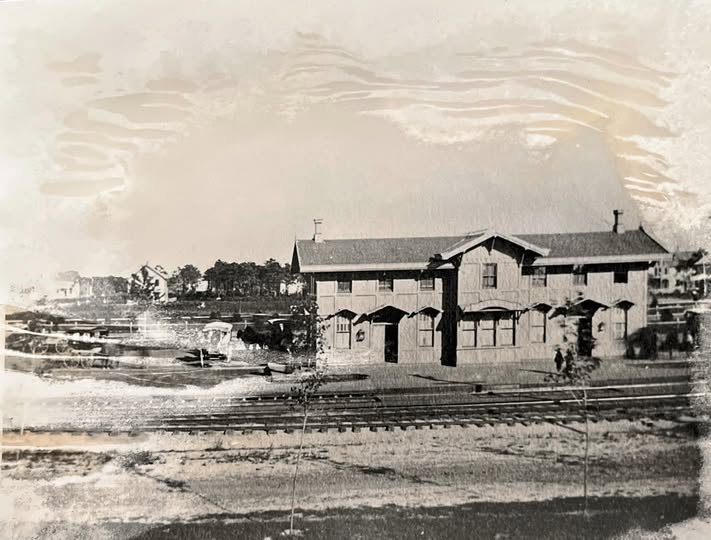
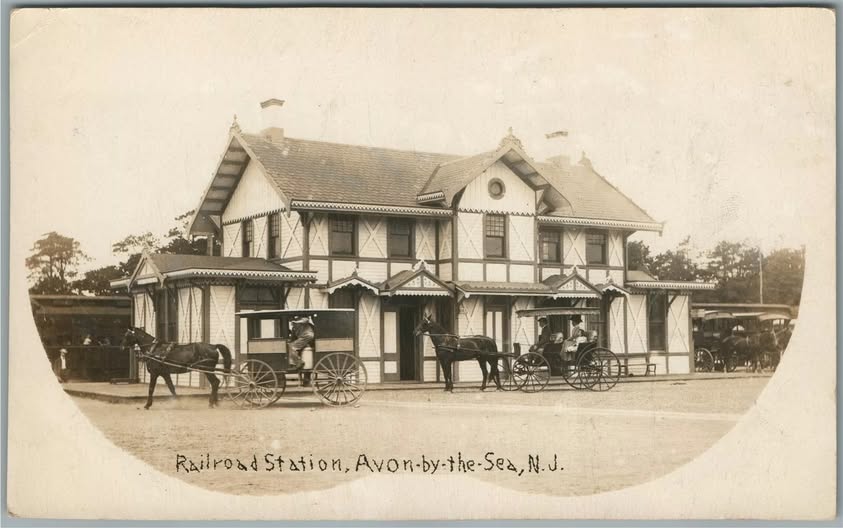
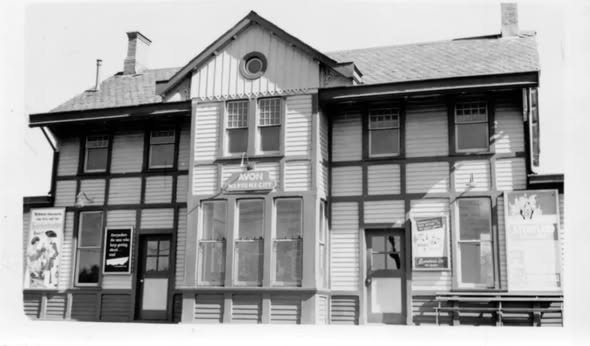
Built in the late nineteenth century, the train depot served as a vital link between a growing inland community and the Jersey Shore. At a time when railroads shaped daily life, it connected local farms and businesses to coastal markets, summer visitors, and the wider region.
Tracks reached this area in 1876, and by 1883 a station stood beside the rails, welcoming commuters, visitors, and seasonal travelers. Horse-drawn taxis waited nearby to carry passengers to local hotels, while mail and baggage were unloaded daily and pushed by cart to the post office.
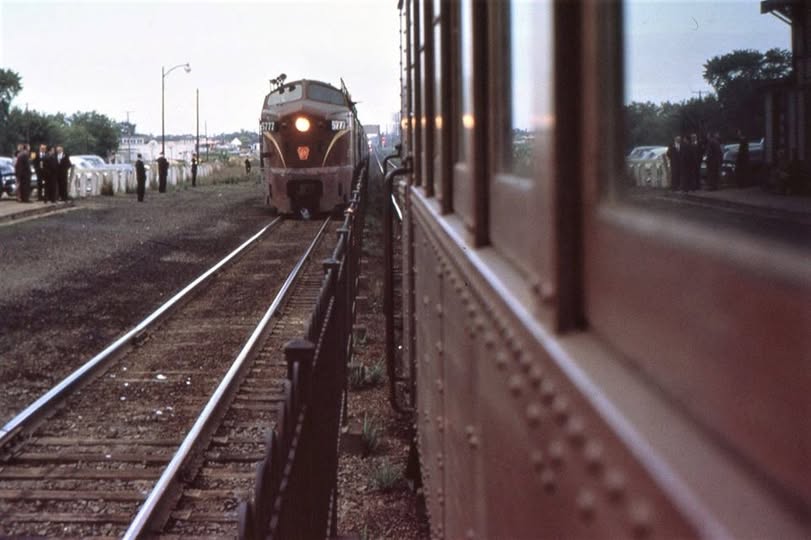
Freight cars carried agricultural goods, lumber, and supplies, while passenger trains brought vacationers heading to the shore and residents traveling for work. The depot was more than a transportation stop. It was a gathering place where news arrived, commerce moved, and the railroad set the pace of daily life.
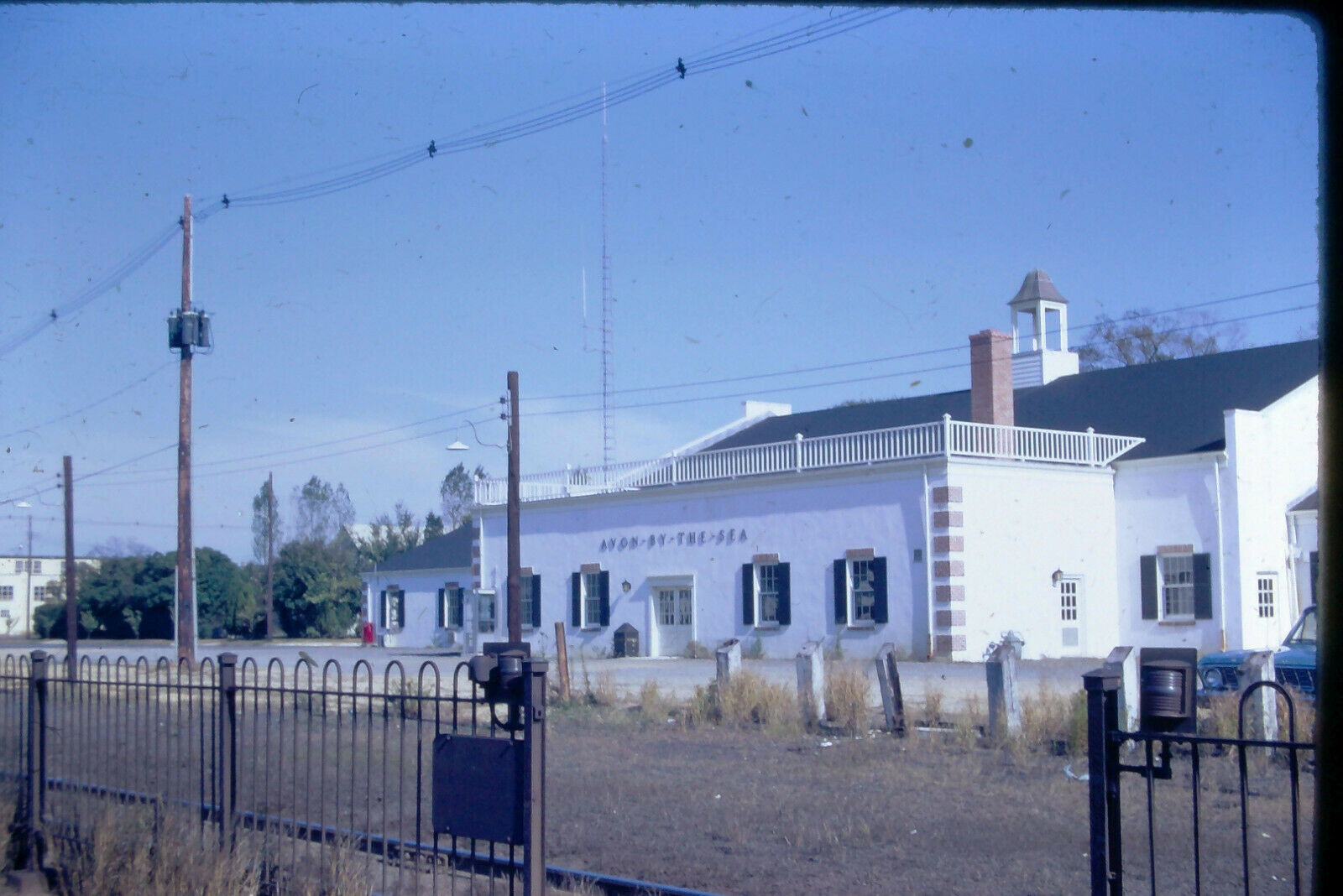
As automobiles and highways expanded in the twentieth century, rail travel declined and the depot’s role faded. The station eventually closed, and in 1967 the building was removed to make way for the municipal complex that stands today.
Today, it remains a reminder of an era when rail lines tied inland communities to the Jersey Shore and helped shape local life, trade, and connection.